Queen Jadis, also know as the White Witch, in “The Lion, the Witch and the Wardrobe” from the Chronicles of Narnia, has often been thought to symbolize Satan.
Everywhere she goes, things turn to Winter. Furthermore, she renounces her claim on Edmond in exchange for Aslan (the Christ type) whom she subsequently kills at the stone tablet.
Having said that, although the symbolism of the Atonement contained in “The Lion, the Witch and the Wardrobe” is not fully aligned, there is some interesting symbolism that comes to light when a proper understanding of the Atonement of Jesus Christ is fully appreciated.
One key perspective is the realization that although Jadis was intended to symbolize Satan, Jadis actually more accurately represents us individually when we have been robbed or injured, and we become bitter in “demanding justice” (or healing) from the offending party … or a party that is incapable of ever bringing a measure of healing to us.
In short, as long as we are found “demanding justice,” we will be found wanting and empty. Furthermore, it will be as if everything turns to Winter around us. All joy and all life will disappear. When our surroundings are filled with bitterness and emptiness, cold and ice will be our constant companion.
What is key to realize is that although Jadis does not symbolize Satan (Jadis symbolizes us when we are found “demanding justice”), Satan is beyond jubilant when we are found in this state.
More succinctly, when we are found “demanding justice” from sources that are incapable of healing us (the party that originally offended or injured us) … we become blind to the one party that has the power to heal us – Jesus Christ.
When we let go of our “demands of justice” from parties that do not possess the power to heal, we let mercy take hold.
Like Winter turning into Summer, there is a healing power of turning to the source that has the power to heal and to make whole.
One last note: as we will discuss in more detail later, forgiveness is less about pretending something didn’t happen and faking being reconciled to someone that one despises. Rather, forgiveness is more about healing, or proactively looking to the source that has the power to heal. Quite often this means that we do not waste our time and energy focusing on sources that are unable to heal (the original offending party). Forgiveness is more about saying “I know you don’t have the power to heal me, so I am not going to focus on demanding justice or healing from you. Instead, I am going to look past you to a higher power, Jesus Christ, who has the power and the inclination to heal me. I am going to let go of my bitterness and hatred towards you – and act of grace – so that I might become a recipient of His tender mercy and healing powers, so that I might be lifted up and be made whole through His power and His grace.”
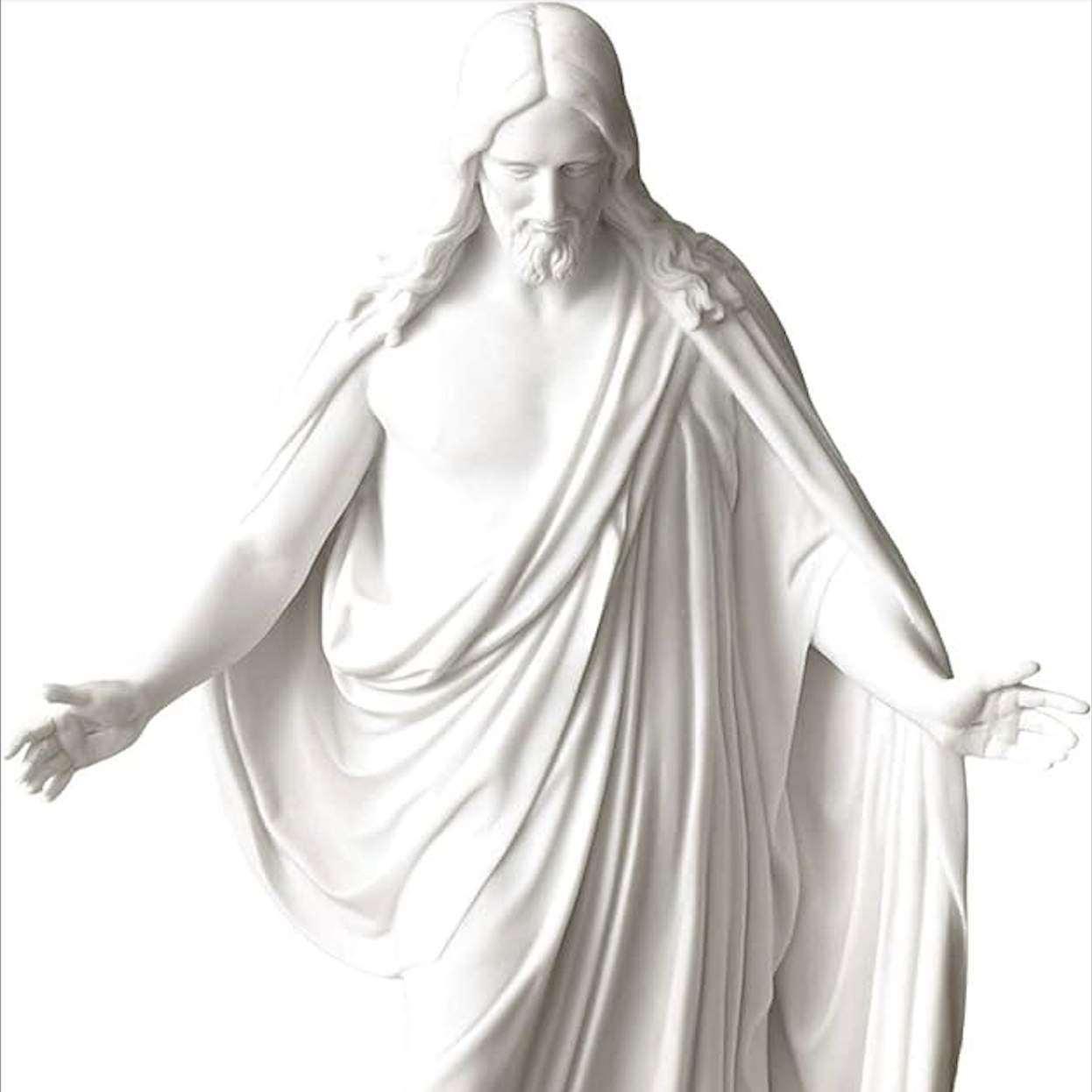
 Christ's Atonement